

How Sophia Elias Pivoted From Acting To Greeting Cards
“If you feel like you’re wasting your potential, you probably are.”

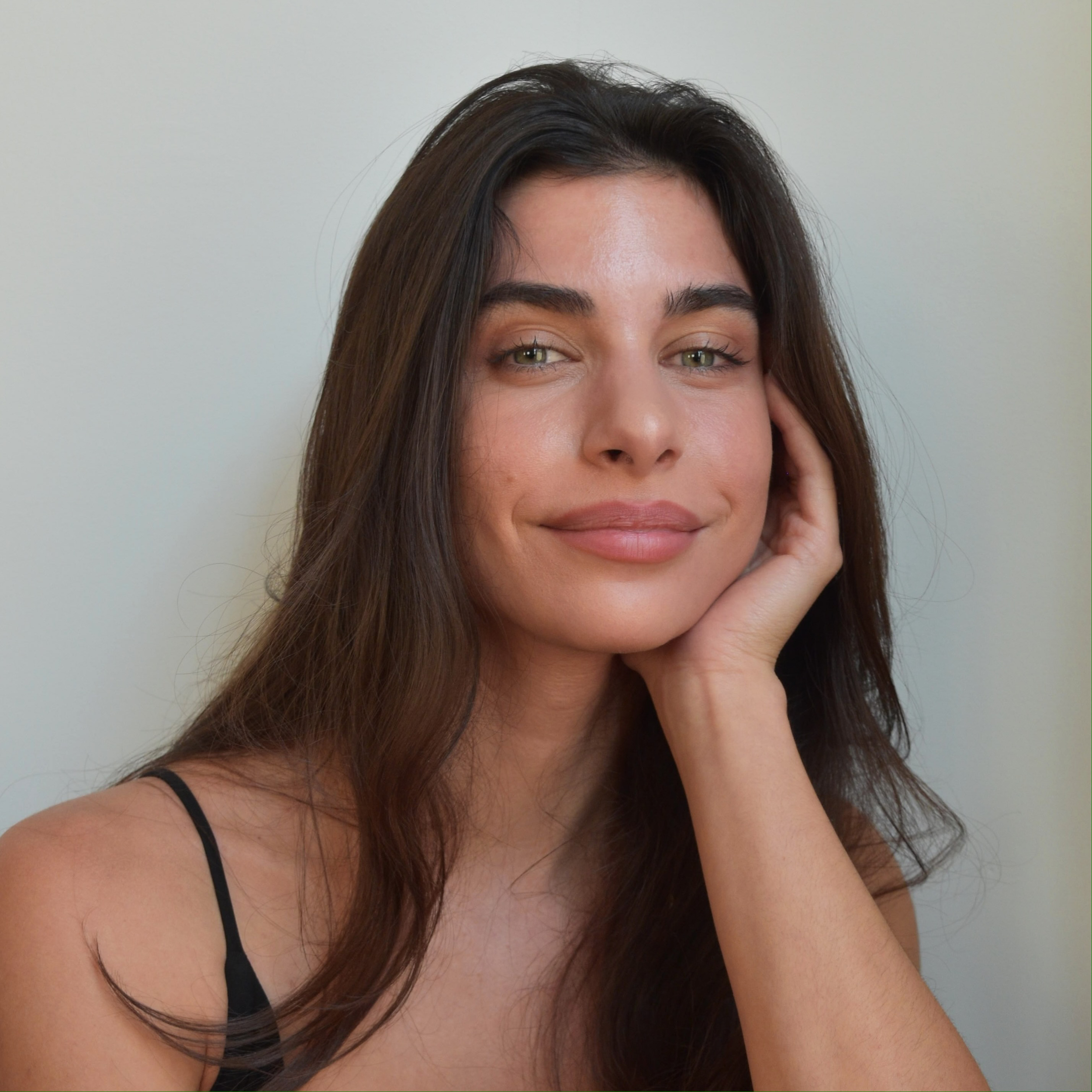
Sophia Elias is the creator of FINEASSLINES.
We're told you briefly tipped your toe into the entertainment business before starting FAL. Can you tell us what what was like and what made you want to get out?
Yes. I acted, which means I had an agent and a manager and was auditioning for film and TV shows for three years non-stop. I got close to booking some cool projects, but my nose may have been too big!
It was awful. It felt like a never-ending quest for approval. I had no control over my life. No financial security. I would put two days of work into an audition only to find out they had already offered the role to someone, but those types of challenges were to be expected. Everyone knows it’s a tough business. I wasn’t prepared for the emotional impact it would have on my mental — and consequently physical — health. It’s a vulnerable activity. You’re quite literally using every part of your being to accurately convey a character to 20 other people with 20 different opinions in five minutes in hopes of landing a job. It’s bizarre. How they see you matters. Their opinions of you — every part of you — matters. It takes an incredibly strong person not to care. I wasn’t that person, especially at that time.
Having FINEASSLINES made it easy for me to walk away, if I’m being honest. What I wasn’t getting from acting (artistic fulfillment, seeing my hard work pay off, having agency over my life, setting and achieving realistic goals) I was getting from my greeting card business. It made me happy. It made other people happy too.
Is it tough to have an analog business in a digital world?
I can’t compare it to anything else, so I’m not sure if it’s tough. It’s definitely odd. There's an intrigue and novelty to greeting cards that younger generations are gravitating toward. I don't think they can imagine sending an e-card to a friend. I even think the birthday wishes on someone's Facebook wall is starting to feel a bit antiquated. In fact, those digital world activities have a stronger resonance with our parents’ generation now. I’m not sure when that crossover happened, but I am finding that younger people who have lived in a “digital world” for most of their lives want connection and authenticity, at least for now. I think cards are an affordable, thoughtful, and effective way to do that.
Why was it important to you to keep this kind of greeting tradition alive and how did you want to keep it modernized?
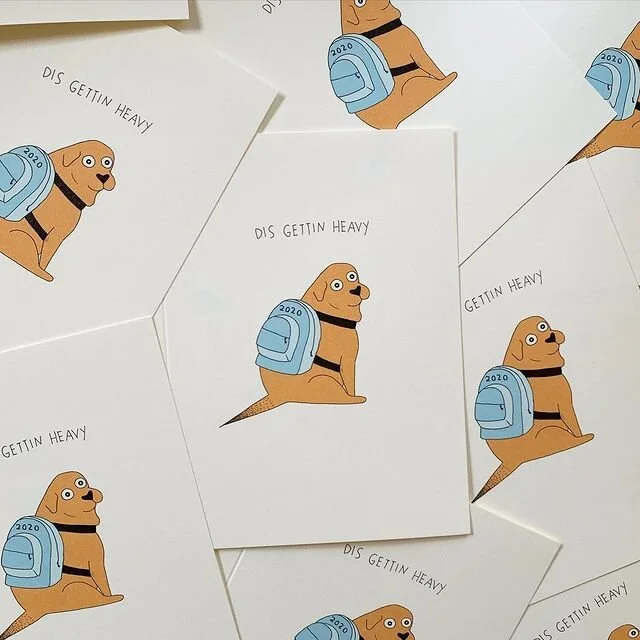
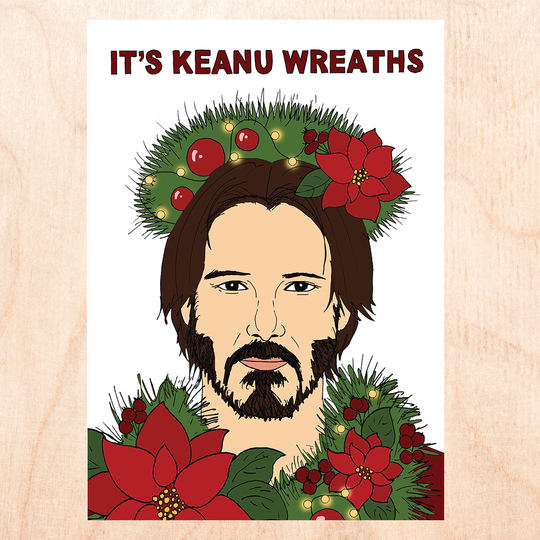
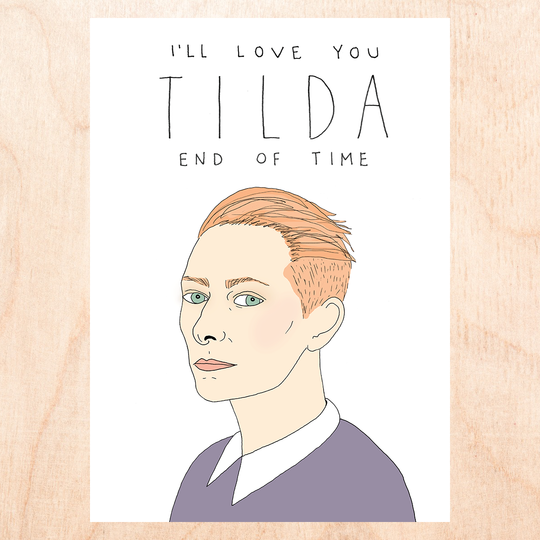
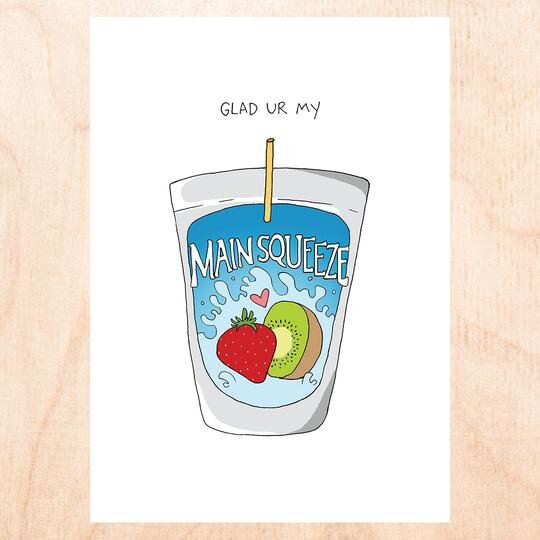
I think people want items that feel relatively personal, so I try to suggest as little as possible on my cards. I remember those long-winded cards from Hallmark that were written in cursive on translucent paper. They would say things like, “To my Loyal Husband: I’m in awe of your strength” and “You can do anything you put your mind to.” Who says? I leave my cards blank for this reason. It’s too much responsibility. Words are best chosen by the giver of the card, not me. I think leaving it up to the consumer is a modern concept, and I plan on keeping that flexibility in my cards. Sometimes I’ll do a short run of designs that are based on current events like the quarantine. In the grand scheme, they’re very short-lived, but they were designed to create emotional responses for that time specifically. They may not be timeless, but not everything needs to be.
How has the pandemic affected FAL?
I lost a massive order in March that I had already paid to print, pack, and ship with my fulfillment center. The order got cancelled and I was stuck with a load of inventory. That was tough to eat. Shops weren’t open, so my wholesale business (which comprises about 90% of my revenue) disappeared for two months. I figured that since customers were no longer patronizing stores in person, I should try to reach them online. I decided to make quarantine card packs and sell them directly to customers through my site. I thought it would be a funny and affordable way for people to connect during the lockdown. I was only expecting to sell them for a month or two, but they’re still going strong. I also started a letter writing service, where I write and send the card on behalf of the customer. That had a nice response, too. All of the cards have been heartwarming to write. It makes me feel like you’re privy to top-secret information, even when I’m writing something benign like, “Hope to see you and mom on Thanksgiving.” It’s very sweet and encouraging to see and be a part of.
What advice would you give someone having a creative career crisis?
Share your work. Accept that it will evolve. Creative people tend to be self critical, and it can feel embarrassing or even presumptuous to share your work. You’re the only person who sees it that way. Other people are excited to see what’s happening in your brain. If you feel like you’re wasting your potential, you probably are. Listen to your muses and take calculated risks. If you’re able to, make time for your love and prove your concept. Get comfortable with creating, trashing, and creating again. Even if you trash a concept you spent a week working on, you may come back to it. You may not. Either way, don’t judge yourself or render yourself incapable if it doesn’t work out; It’ll make room for better or more refined concepts later down the line.
What's the hardest part of being your own boss, and how do you try to deal?
The hardest part is managing my time. I am still trying to figure out how to be most effective. I don’t have anyone else to hold me accountable, I am not clocking in or reporting to anybody, and there are no weekly meetings with a group to review performances and discuss what’s next. It all has to come from me and that’s terrifying. I have recently found that when I focus more on the day-to-day, the big picture is less intimidating.
How do you hope to see your business grow and evolve from what you've experienced over the last year?
I recently collaborated on products outside of greeting cards with other brands. It’s exciting to see my work on clothing and mugs and whatnot. I’d love to do more of that. I’d love to license my work someday too. It expands my horizons without having to worry about inventory of my own, which is nice.
Nov 23, 2020
By Ashley Tibbits