

Pia Baroncini on Pregnancy, PR, & Building Brands with Integrity
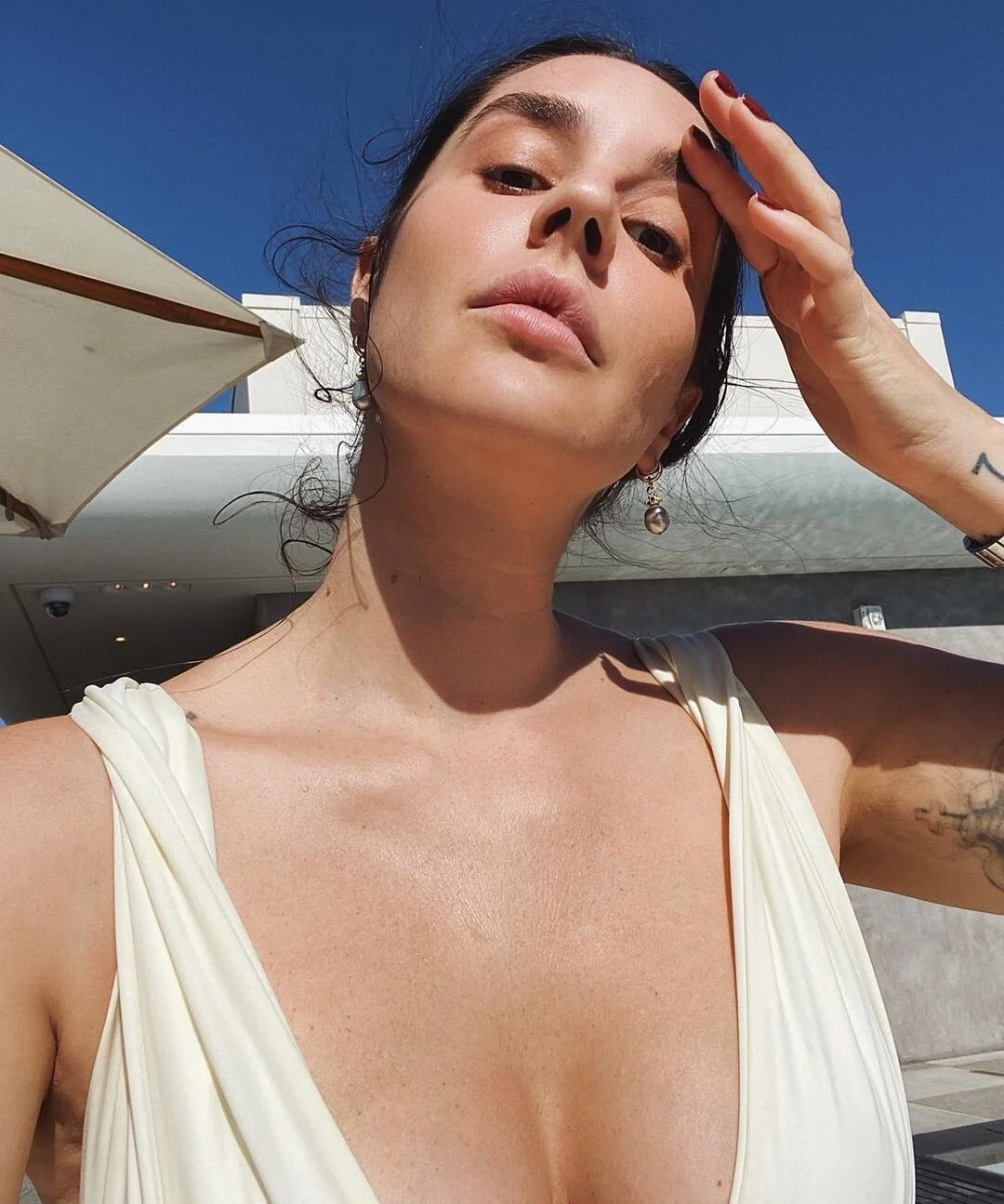
“I can't imagine being on Instagram and having a very narrow, flat relationship with it.”

Pia Baroncini is the creative director of LPA and host of Everything is the Best podcast.
First of all, congratulations on your pregnancy!
Thank you. I'm so overwhelmed by the many messages. That's a big, big deal.
How are you feeling today?
I'm good. I'm very behind on everything because I was just painfully exhausted and nauseous for three months. So I just feel like I'm barely scratching the surface every day, like kind of catching up and getting stuff done. But now that I can say that I'm pregnant, it’s such a relief because before I just was like, I swear I'm not bad to work with — I just couldn’t share what was going on!
Way back when when I was the editor of Racked LA, we were the first one to write about [LPA] and you found me on Instagram and DMed to thank me. You have so many people that have already loved following you, but you took the time to say something like that. It's just really, really beautiful. Have you always been this grounded or where did that come from?
I worked in PR, so I remember having to pitch brands to people and I think that really gave me an interesting perspective because you would see the hope on these designers’ faces in these client meetings. There were only a couple of meetings that I was in where we were signing clients and promising them that all this PR was going to drive their sales and make them so great. And seeing when you're a founder of a company — like my husband, too — from the ground up and your every day is like blood, sweat and tears and then somebody takes the time to write about you, it's just the most special feeling. I mean, I still get that way. I'm like, oh, somebody saw what I'm doing and they care. It's really amazing.
I think a lot of that just comes from being genuinely excited that people care about anything. And then I think pushing so hard to get writers to write about the brands that I was working on when I was in my early 20s and doing PR. I know that now everyone has a brand — there's always so much to write about, so I just get really thankful that anybody takes the time.
How long have you been in the fashion industry and what was that lightbulb moment that made you want to jump into creating your own brand?
I was always wildly into clothes when I was young, outside of just being a girly girl. It was obsessive. I got my first job in eighth grade at my mom's friend's boutique. I was always touching clothes and I loved styling things. We liked to drive to Melrose and go to shops and buy like cool clothes — I was punk rock for a while and then I thought I was a swing kid. I went through like all these stages that evolved […] so much by what I was wearing.
I've never seen my mom once in my life say “I'm going shopping’!” — like never. She wears hand-me-downs, TJ Max, like, [shopping] is not her thing. It was really just came from inside me. So I went to New York my major was design and management at Parsons. I thought I had la really good understanding at a young age that I would just have to try a lot of things and figure out what it was that was like my thing. And then in terms of like designing, that came really organically. I'm actually really happy that it started this way when I started working at Reformation.
When Reformation started a million years ago, it was a really small team and it was mostly reworked vintage. And when they started making their own stuff, I remember giving my opinion. And then at one point the owner said, “Do you want to sit in on a design meeting?”
I had taken design classes at school, of course, but I was doing PR and I was also styling, and I remember her saying, “Because you haven't designed you have a really good objective view of what a customer wants to wear, like you are the customer.” So instead of being up in the clouds, I'm very realistic about what's not going to fit my boobs, or [what’s] going to be too short. There are outfits that are a sexy, aspirational thing, but what are you going to wear on a Tuesday at two o'clock? It just happened really naturally. And then I kept posting [on Instagram]. It was not that big of a deal, so it was odd at the time to be posting the work that I was doing.
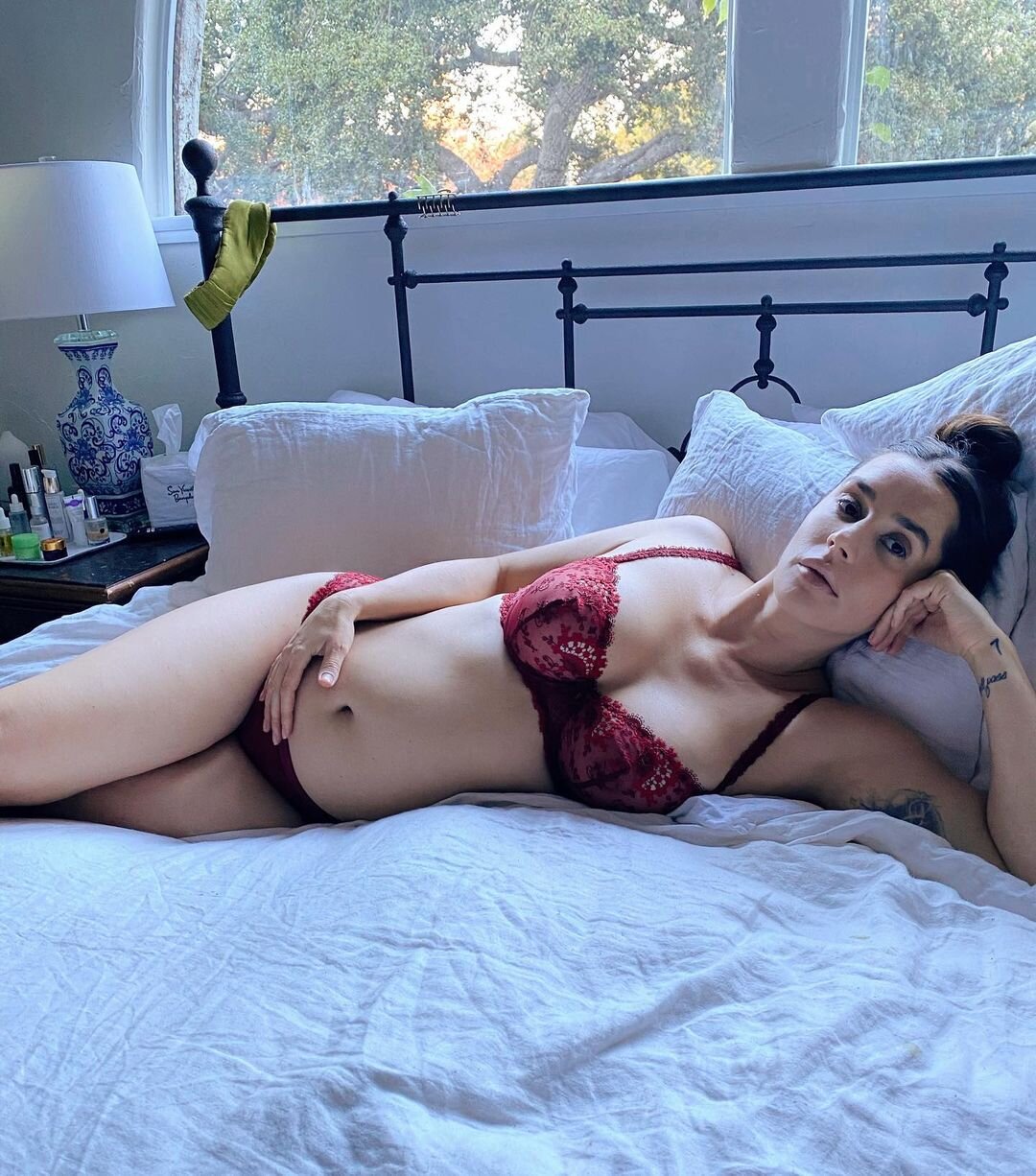
Which led you to LPA.
Raissa from Revolve followed me and she was like, “We’re working on a bunch of private label brands and we’d love to work with you.” And that's how that happened. I always want to be very clear that, obviously I did the work for LPA, but they helped me with all the things that are usually painfully difficult for founders. I'm doing another brand now and it's the same thing — really difficult. Working with Revolve, I did have a huge crutch that most people don't have.
Right. However, it's not just about having the opportunity, but what you make of it.
And I feel very proud of what I did, especially the first two years. The climate was different. Now, it's a lot of gifting and reposting, but the branding of the first two years of work and the clothes when we first launched — I'm so proud of that work.
What I love is that you share the brand, but also your personal life with your community on Instagram. And that's really great for the business because they see a human being behind the brand. But it can't always be easy for you.
I think that really comes into play often, too. It's weird. I feel like I can talk about LPA until the cows come home on my Instagram, but I’ve never really done a lot of Pia stuff on LPA. [It] seems really self-important because I already have so much Pia stuff on [my Instagram] that — in case you don’t like me — I don’t want to isolate that customer.
But I also feel like you're in a unique position because you, the founder, established your personal brand before the fashion brand. You’re in a cool position. What are some of the rewards and challenges of putting your life out there on social media?
I'm really sensitive. Someone just wrote on [my pregnancy announcement], talking to her friend, like, “Oh my God, this is so me, but oof feel bad for her that she's having a Gemini.” I screetshot it and sent it to my husband and sent it to my mom. And I was like, what a like a fucking bitch. And then I'm like, I have twelve hundred positive comments. I've definitely gone through like horrible internet shit where like when people say something about me it's insanely personal. It's like, “I've never liked her, she looks annoying, her mom looks annoying, she shares [too much.” It's like such a personal attack […] but I've never been any other way. I think it's really hard for my husband. It was really hard at first. And it gets really hard for him, but now he understands. You know, we'll go somewhere, like we went to Napa a couple of weeks ago and this girl stopped to let us cross and then was like “Pia! Davide! Hi!” And the feeling of having instant friends everywhere I go, it's worth any negative thing that could happen. It's wonderful. I can't imagine being on Instagram and having a very narrow, flat relationship with it because I'm so triggered by things on [there] and it is such a hard place to be that without the camaraderie, I don't think that would be a healthy place for me.
Yeah, and you're using it as a tool as well, whether that's conscious or not. Like you share your pregnancy journey, the challenges of it, and you’re really helping people when you do that. So you're taking the criticism, but in the process you are making so many people feel less alone. That’s why we love your podcast, too.
With my first pod, it was a good learning lesson. We did 10 episodes. It’s interesting how you grow over the course time — that was a year and a half ago, and I was really into nutrition at that point. But I realized that the conversations we were having felt very white and privileged. And so it was such a great learning experience to have that podcast, to grow, and to start another one. The goal was to identify what information people really needed, and how can I make this not sound elitist. With my new podcast, I work really close with my producer and I think really long and hard about everything I say, whether or not it can be taken out of context and used against me. I think about how every episode is going to make a large group of people feel.
What segments work the best for the “Everything Is the Best” podcast?
We love the relationship questions because my husband Davide and I have so much fun sitting down and answering them. We’re also going to start a YouTube channel. I was trying to put it my phone and I just caved and got a camera. But it's a lot of work. No doubt we have the cooking videos and I feel like we could do some Q&A and stuff. So we're going to start doing that.
Are there any real roadblocks that have happened in your career, something to take away for new creative business owners?
I think for my husband’s business, Ghiaia Cashmere, it's been two years of a fucking nightmare of torture. Getting that brand off the ground has been torture. But you have to continue working hard and figuring it out on your own. There is no blueprint right now and it's different every day. When we launched it was all about getting VC And now we're like, that would be a nightmare because Davide's brand is definitely like a luxury brand. It's going to be a slow growth brand. Then Covid happened and it's like, how do you pivot through Covid? There’s no structure.
That’s real. Before we let you go: what do you have coming up? I can’t wait for your YouTube channel. I could watch you guys do your thing all day.
The YouTube channel and my website are really at the bottom of my to-do list because there are other things and they need to happen ASAP. So hopefully in the next couple of weeks those will be up. We can keep doing our pasta videos, which make us so happy. Our collective dream is to have a little restaurant. We talk about it sometimes. Respect to chefs and people who have actual restaurants! But I would love to have like a little cafe or a bar. There is an Italian place in Pasadena called Roma that this Sicilian guy owns. We would love to buy that from him and have like an Italian grocery store.
People, hospitality, and food are our long game, but the website and the YouTube can hopefully be a graceful transition into these kinds of things, because I’m not taking shots at the Max Fish until 4 in the morning anymore. I’m in my mid-thirties and now we’ll have a child, so my life has gracefully transitioned.
I’m actually really excited about all the stuff that Davide’s doing with Ghiaia and exploring different categories, and he got a really amazing investment recently. Also, I have a project coming out with a friend — a clothing thing!
Follow Pia’s adventures are @piabaroncini and @LPA.
Dec 18, 2020
As told to Natalie Alcala and edited by Ashley Tibbits